
Biodiversity in the Boardroom

A practical guide to nature-related metrics, reporting requirements, and legal implications from our SVP, Commercial Development, Mahima Sukhdev.
Measuring the biodiversity footprint of a well-known financial index (and its peers)
Introduction In our previous post, GIST Impact analysed the climate, nature and biodiversity risks of one of the world’s most well-known indices. This index serves as the benchmark for ca. USD 5 trillion in assets under management, covering approximately 85% of the global investable equities across 20+ developed markets and 20+ emerging markets countries. GIST […]
Bridging the Gap: Social and Financial Disclosures in an Era of Growing Inequality
Despite growing interest in ESG, one piece remains persistently underdeveloped: the “S”. Inequality, labour rights, and community well-being are still too often treated as secondary concerns in sustainability reporting – measured through intent, not outcomes. But with geopolitical instability rising, and social unrest linked directly to declining trust and opportunity, that approach is no longer […]
Deeper Than Disclosure: The New ESG Frontier with AI
How well do you trust AI to deliver useful and reliable ESG insights? As regulations evolve and complexity grows, many companies are turning to AI – but not all AI is created equal. This report explores how GIST Impact’s AI goes beyond surface-level disclosures to uncover deeper, decision-ready insights on a company’s real impacts, risks, and […]
The climate, nature and biodiversity risks of a well-known index
Introduction GIST Impact has analysed one of the world’s most well-known indices, serving as the benchmark for ca. USD 5 trillion in assets under management. The index is a mirror to the world – covering approximately 85% of the global investable equities across 20+ developed markets and 20+ emerging markets countries. But how good is […]
Integrated Profit and Loss Reporting
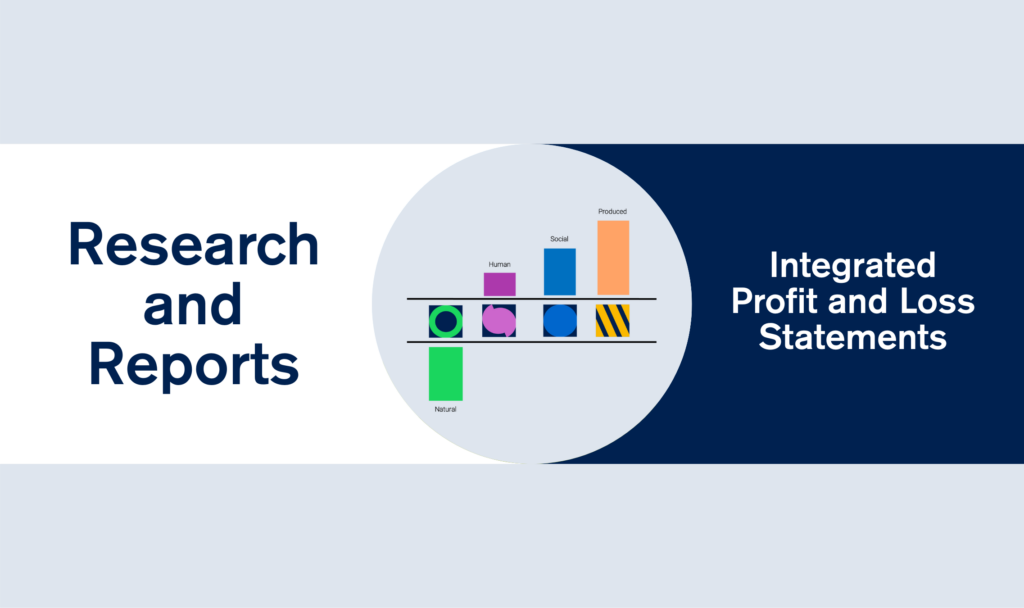
This blog post refers to a paper published in 2018 by the Stockholm Resilience Centre – demonstrating our long-standing expertise in impact accounting and framework development. Understanding the full spectrum of corporate performance goes beyond financial statements. The “Integrated Profit & Loss Reporting” framework is designed to measure the impacts of business activities not just […]
Cape Capital uses GIST Impact data for inagural report into nature positive investing
GIST Impact is proud to have been featured in a report by Cape Capital, a Swiss wealth and investment management firm. Among Cape Capital’s offerings – across fixed-income, equity and private markets – is a multi-asset Nature Positive Economy (NPE) fund, designed to help protect, restore and reverse the degradation of natural ecosystems. The report, […]
Impact Valuation Sprint Report
GIST Impact was delighted to contribute to the “Impact Valuation Sprint Report,” coordinated by the Value Balancing Alliance and launched in May 2024.
Measuring ecosystem services and overall value for Sveaskog
Opportunity Sveaskog is Sweden’s largest forestry company and owns over 14% of the nation’s forests. Sveaskog wanted to understand the net benefits to society provided through ecosystem services from Sveaskog’s owned forests. Solution GIST Impact measured the impact on environment and society of the company’s forestry operations and the offsetting benefits of preserving ecosystem services […]
Yarra Valley Water’s biodiversity journey
Opportunity to conduct biodiversity footprinting As Melbourne’s largest water utility, Yarra Valley Water (YVW) recognised its responsibility towards sustainability and wanted to demonstrate its commitment and progress to restorative practices. The company sought GIST Impact’s help to progress in its biodiversity journey, to develop its first Integrated Profit & Loss Report and benchmark its environmental […]