



Our team kicked off the beginning of June by attending and speaking at the annual Responsible Investor Europe conference in London. This conference gathered investors, asset managers, policymakers, and sustainability specialists under the overarching theme ‘Building Resilience and Supporting Sustainable Investment’. Over two packed days, sessions ranged from physical climate risk and biodiversity to ESG ratings, stewardship, and the future of sustainability standard-setting.
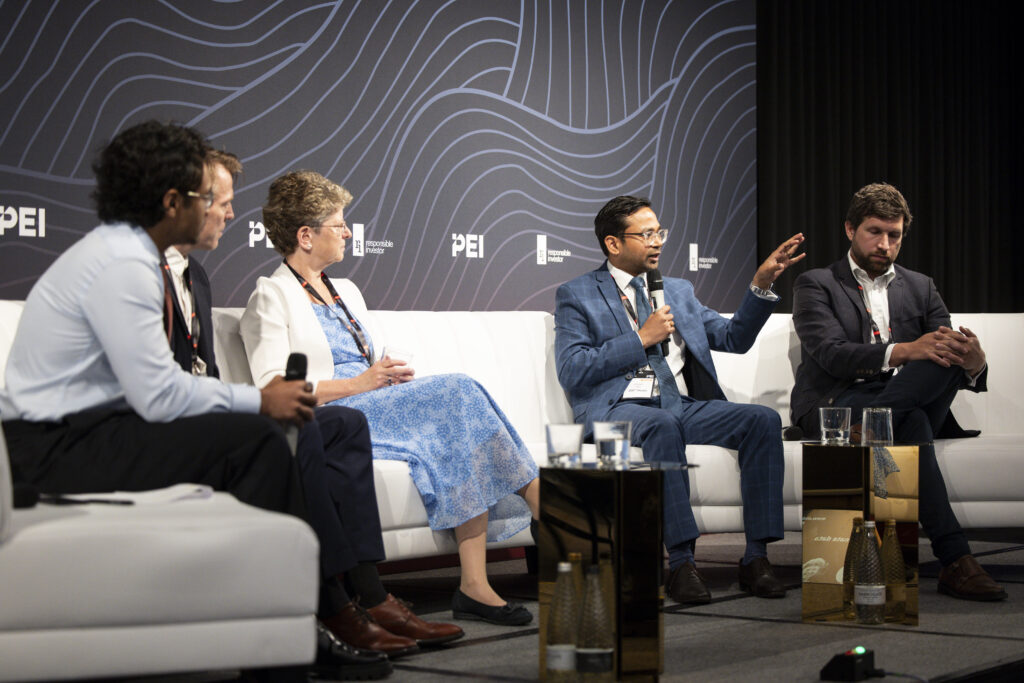
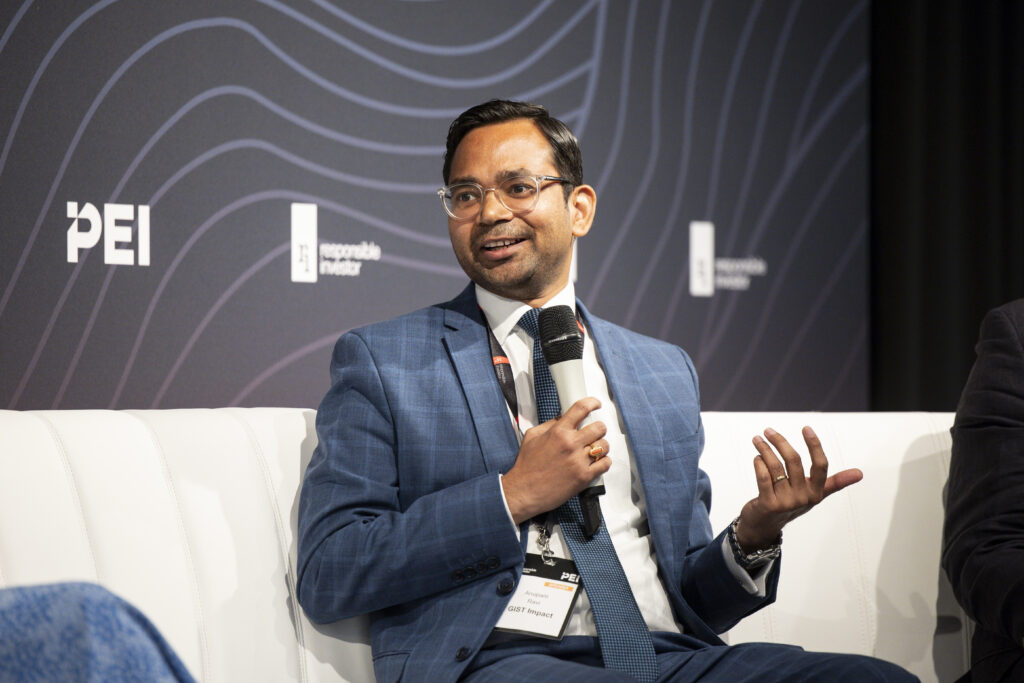
Our Chief Commercial Officer, Anupam Ravi, joined the Day 2 panel ‘Deep Dive: Physical Climate Data’, contributing to one of the conference’s many practically grounded discussions.
Fresh from the event, we’re excited to share the top insights our team gathered on the ground.
Key takeaways
Market Trends
1. Capital flows are moving towards real-world transition.
One of the most prevalent themes running through RI Europe 2026 was a decisive shift in emphasis, from identifying and assessing climate and sustainability risk to actively directing investment decisions and capital toward adaptation and transition. The conversation is largely shifting from risk identification to decision-making and what these insights look like in practice.
Speakers and participants across multiple sessions highlighted that robust processes, informed judgement, and clear accountability are what ultimately make sustainability considerations investable.
Company policies, procedures, and transition commitments are serving as a recurring signal as investors are reading these not as compliance documents but as indicators of strategic intent and credible direction.
The question being asked across the room is how do we translate the understanding of risks into capital allocation decisions that accelerate the transition?
2. Nature and biodiversity remains a key theme yet there remain foundational gaps.
The ‘Integrating Nature’ plenary and the ‘Oceans and Blue Economy’ session both highlighted how much foundational infrastructure is still missing. One key insight that emerged is that ocean risk remains a major blindspot. Around 80% of global biodiversity sits in the ocean, yet there are no standardised ocean benchmarks, no consensus on how to define marine economy sectors, and no standard methodology for disaggregating balance sheets to surface marine exposure.
Land-based pollution is a primary driver of ocean degradation, meaning the dependencies run across sectors that have not traditionally thought of themselves as ocean-exposed. We see our partnership with ocean data provider HubOcean as integral to bridging this gap, and we’ll share updates as we progress our work in this area.
On the corporate reporting side, nature transition plans remain rare: what does exist tends to combine TNFD and TCFD disclosures (around 80% of nature-related reports integrate both), but granular asset-level and supply chain data is still the exception rather than the rule. Not knowing where your assets are or what nature dependencies they carry is no longer a defensible position.
Investor challenges and opportunities
1. Consistent frameworks for evaluating credible transition plans remain elusive and pose a significant challenge for both organisations and investors.
Regulatory expectations are diverging, fossil fuel lobbying and other stakeholder considerations continue to shape policy outcomes, and investors are increasingly forced to rely on their own analysis rather than external benchmarks.
2. A deeper issue went largely unsurfaced throughout the course of the event: impact materiality.
Discussion skewed heavily toward financial materiality, yet the largest near-term opportunity in sustainable investment still lies in reducing impact across carbon, water, pollution, waste, and land use. The gains from practical mitigation outweigh many of the new opportunity categories that are drawing attention in the market.
Emerging area to watch: Human Rights and impact on society
Investors are increasingly prioritising social impacts, from community water access and chemical exposure to the impact of AI on social welfare. Today, lawsuits, rather than regulations or scientific data, are proving to be the real drivers of change, and the financial stakes are high.
As a result, we see traditional norm-based investment screening reaching a turning point. Driven by legal battles and shifting geopolitical views around the defense sector and portfolio emissions, exclusionary criteria are likely to be amended.
Our conversations throughout the conference signalled that the market needs data that drives decisions, and we’re happy to be a driving force in building the data infrastructure to fulfill this need.
If you’d like to chat to our team about any of these insights in more detail, get in touch.