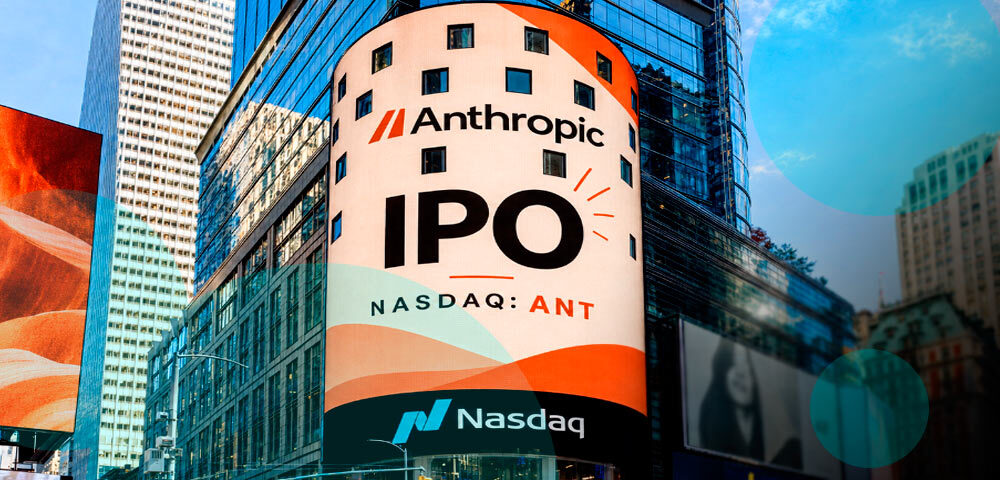


Looking at the historic Anthropic (ANT) IPO, most investors will almost assuredly gain exposures to one of the world’s most-talked about companies. There have been heated debates over the AI giant’s profitability, growth trajectory, and valuations. There’s also been more attention paid to its hidden climate and nature risks, arising out of its operational and supply chain reliance on electricity, water, and land remain unpriced.
The capital-intensive nature of AI companies makes their risk profiles much more akin to infrastructure companies than capital-light software companies. If your investment committee asks what the climate and nature risks of owning Anthropic are, you’ll want a clear answer. In this piece, we walk through three lenses: exposure, impact and financial materiality.
Where is Anthropic’s IPO exposed to climate and nature risk?
Frontier AI – the most advanced AI models available at a given moment – runs on compute, and compute runs in data centres. “Compute” refers to the processing power, supplied by large clusters of specialised chips, that AI companies use to train and run their models. Some of it is rented from cloud partners. More and more of it sits in purpose-built facilities. Either way, the physical risk lives wherever those data centres are.
So what can go wrong at a site? Quite a lot, actually. Each risk carries a cost. Water stress makes water scarcer and more expensive, pushing up operating costs. Extreme heat increases cooling demand, so sites use more water and energy, which raises operating costs again. Floods and wildfires can damage equipment and knock facilities offline, leading to repair bills, capital spending, lost uptime, and reputational damage due to instability.
What the Anthropic filing tells us
We reviewed the full S-1 in full – the registration form a company files with the US Securities and Exchange Commission (SEC) before it first sells shares to the public – and Anthropic acknowledges these risks. It warns that “the physical effects of climate change may increase our operating costs over time.” Its facilities “depend on access to reliable water for cooling, which in some regions is scarce.” Some planned data centres “rely on dedicated on-site natural gas-fired generation,” with fuel costs passed through “without cost caps.” It also flags moratoriums and increasingly “organized and coordinated” local opposition. Upstream, most advanced chipmaking sits in Taiwan, exposed to earthquakes, typhoons and disruption to the island’s power and water supply, a risk Taiwan’s 2021 drought has already shown.
What the filing leaves out though, is just as telling. It gives no figures for emissions, energy use or water consumption, and no list of data-centre sites.
The filing points to voluntary commitments: covering the cost of electricity price increases its data centres cause for consumers, paying for grid upgrades, procuring new generation and addressing environmental impacts. For stewardship teams, that sets the engagement agenda:
- Water: Which sites face water stress, and will Anthropic report water use by site?
- Emissions: What is the footprint of its on-site gas generation, and will it set reduction targets ahead of California and EU disclosure rules?
- Commitments: How will it measure and report progress on consumer bills and environmental impacts?
- Resilience: How does physical climate risk factor into site selection?
For portfolio managers, the issue is concentration and duration. Anthropic has committed roughly $900 billion to compute and infrastructure, with payments running to 2045. Many of these contracts are take-or-pay, so Anthropic pays whether or not the capacity is used. If water shortages, extreme heat, grid curtailment or a local moratorium delay or idle a site, the costs still land on its books. With that capacity concentrated in a small number of US sites, climate and nature risk becomes a direct threat to margins and to the return on that committed spend.
What does AI infrastructure do to nature?
Energy use is the obvious starting point. Training and running large models is highly energy intensive. For a company that buys its compute, most of those emissions will likely sit in Scope 3 rather than direct operations.
Water use comes next. Many data centres draw water for cooling, and location matters enormously. As we’ve discussed in previous pieces, the same amount of water means far more in a drought-prone region than in a wet one.
Land-use change is the third piece. New data centre facilities take up space, and they’re often built on farmland, wetlands or near habitats for threatened species. For local communities, that can mean pressure on water supplies, round-the-clock noise from cooling systems and backup generators, and higher electricity bills. Finally, every chip depends on mining for metals and minerals, which affects ecosystems and communities too.
For sustainability teams, these impacts feed straight into principal adverse impact (PAI) reporting, TNFD disclosures and portfolio footprint targets. Because of its index weight, a single holding can move your numbers. For investment committees, today’s impacts often become tomorrow’s risks through permits, regulation and reputation.
Which Anthropic IPO risks could reach the balance sheet?
The clearest financial risk is energy. Compute is one of the biggest costs for any frontier AI developer. As a result, the price and availability of electricity directly limit how fast it can grow. In some markets, grid operators have already slowed or paused new data-centre connections.
Meanwhile, regulation is tightening. The EU now requires larger data centres to report their energy and water use. Local authorities are also taking a closer look at water permits and new builds. Additionally, energy and cloud providers can pass carbon costs on, even to an AI company that owns very few assets itself.
Then there’s social ‘licence’. Communities increasingly push back on data-centre projects over water, noise and land use. That can delay expansion plans, or stop them altogether.
Together, these risks hit CapEx, margins and growth timelines, which sit right at the heart of any AI valuation.
Putting it into practice: Project Rainier
Now that we know what the right questions to ask, we also want to showcase what the answers look like for a real site.
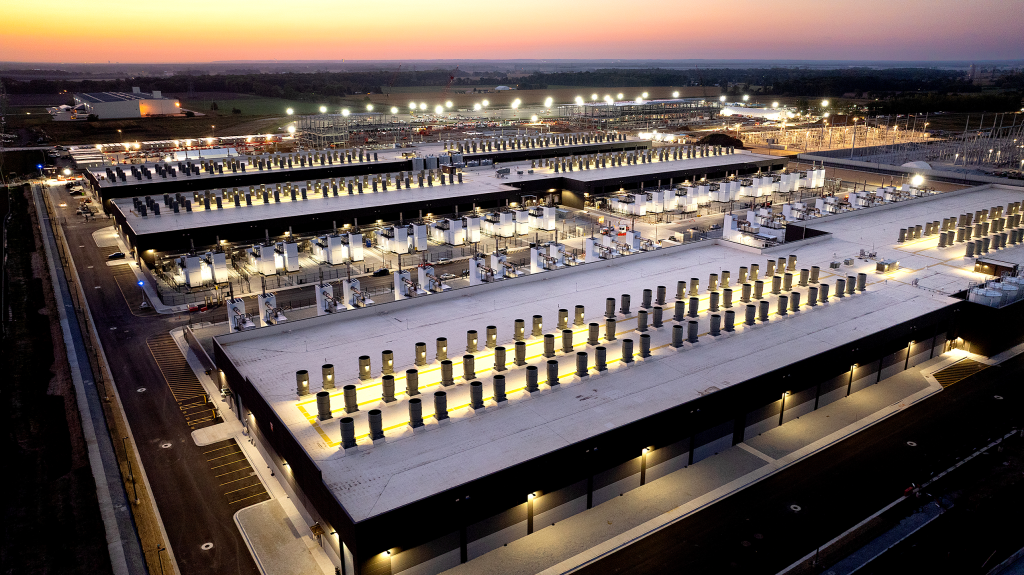
Project Rainier is AWS’s huge AI compute cluster, and Anthropic is actively using it to build and deploy its Claude models. One of its main sites is a data-centre campus in St. Joseph County, Indiana, about 10 miles west of South Bend.
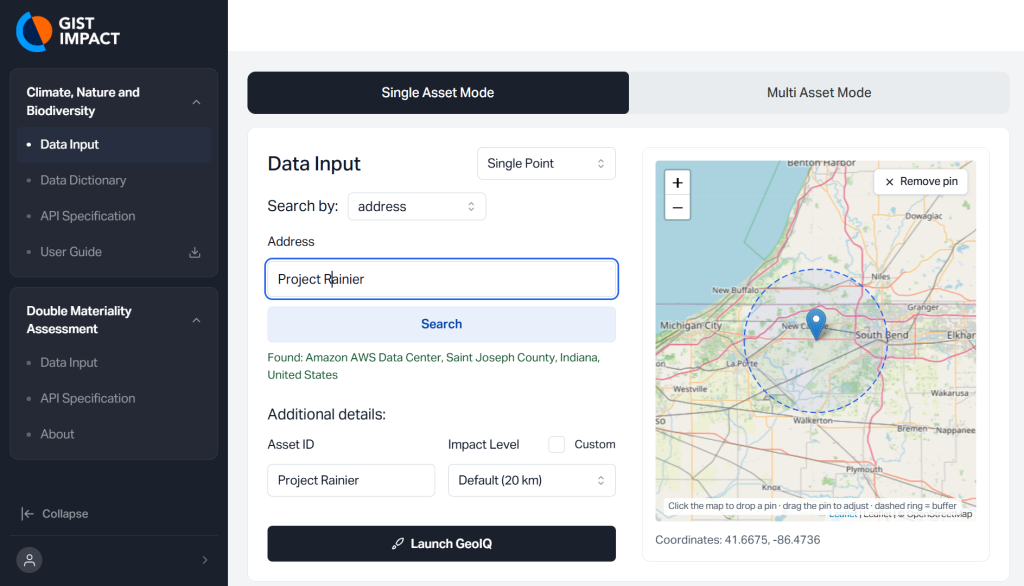
AWS says the Indiana site will make maximum use of outside air for cooling, which should help limit water demand. However, cooling is only one part of the picture. We ran the campus through GeoIQ, our location-specific asset data tool. It works by uploading an asset’s location, and GeoIQ returns its climate and nature and biodiversity risk data. At first glance, this looks like a low-risk site. However, the water picture tells a different story.
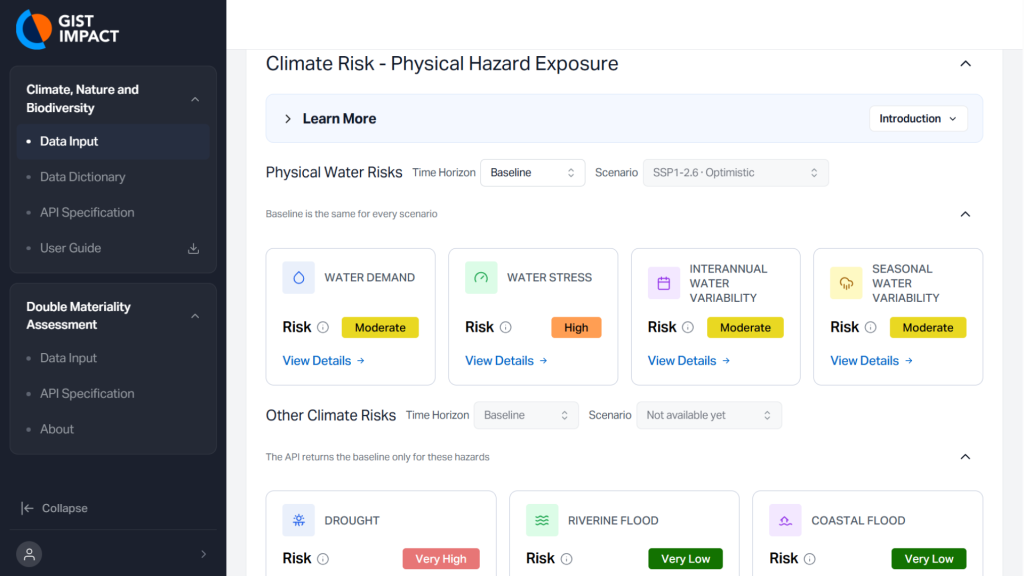
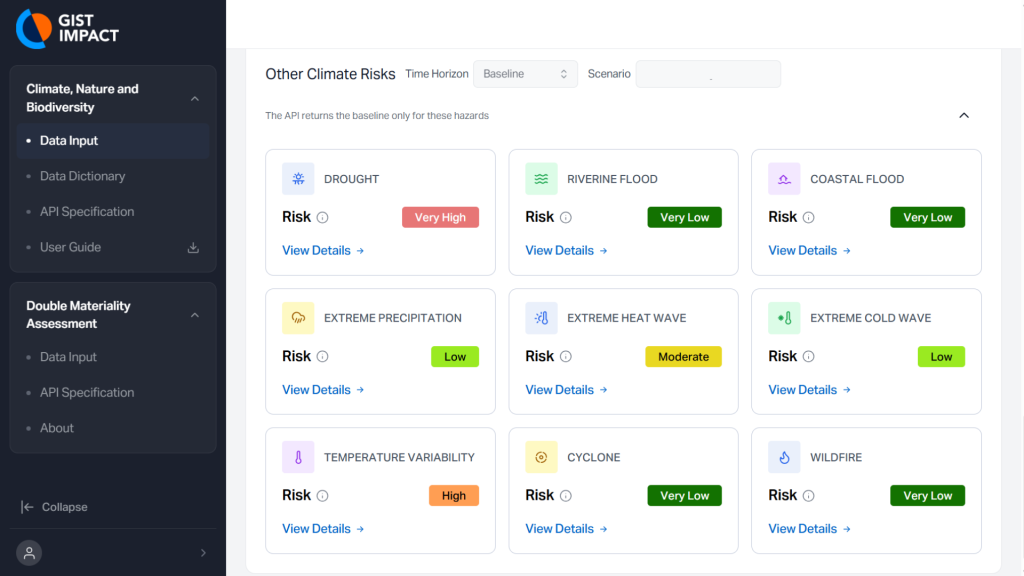
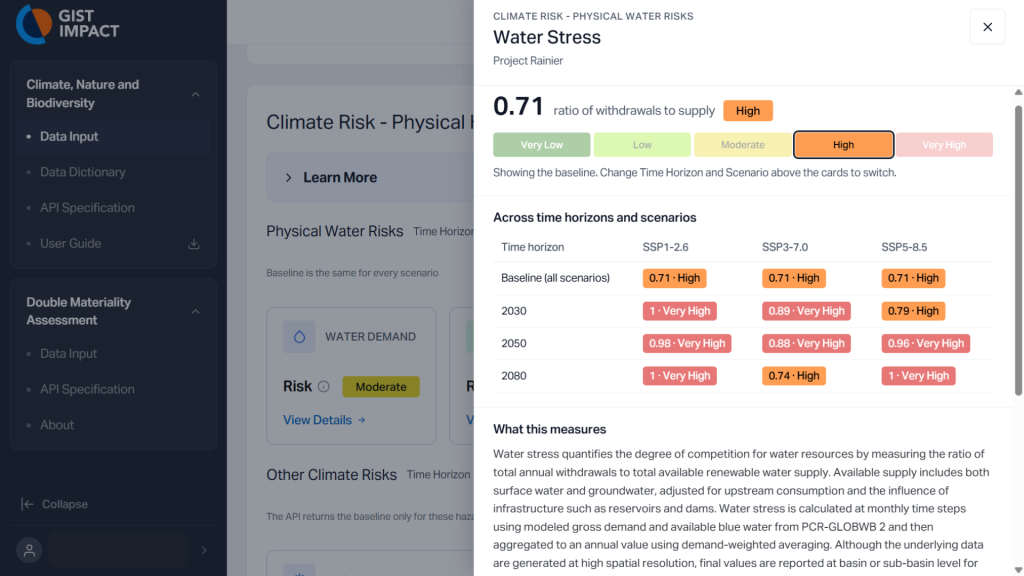
The campus sits in an area where water stress is already high. GeoIQ projects it will become very high by 2030 under most climate scenarios. Drought severity is also rated very high. That matters because the campus still needs cooling water on summer days, exactly when supplies are tightest. As water gets scarcer, it gets more expensive, permits for expansion get harder to win, and competition with local farms and households grows. For investors, that means higher operating costs and slower growth at a site built to scale.
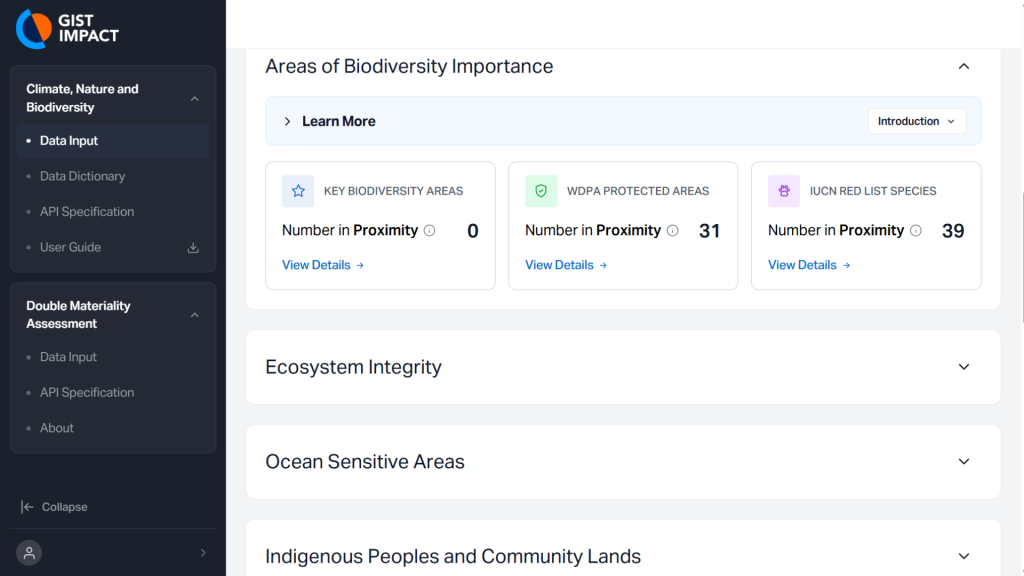
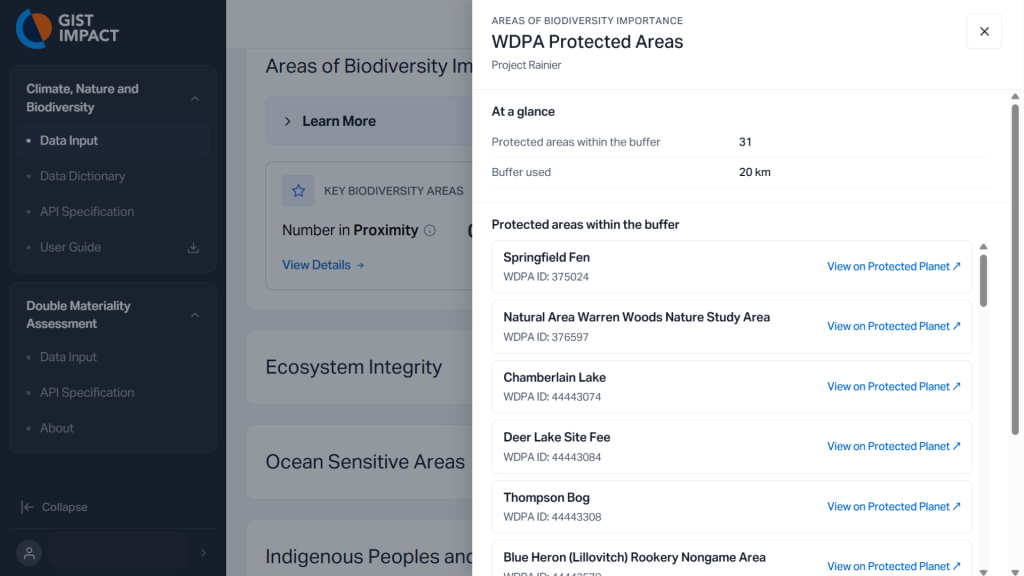
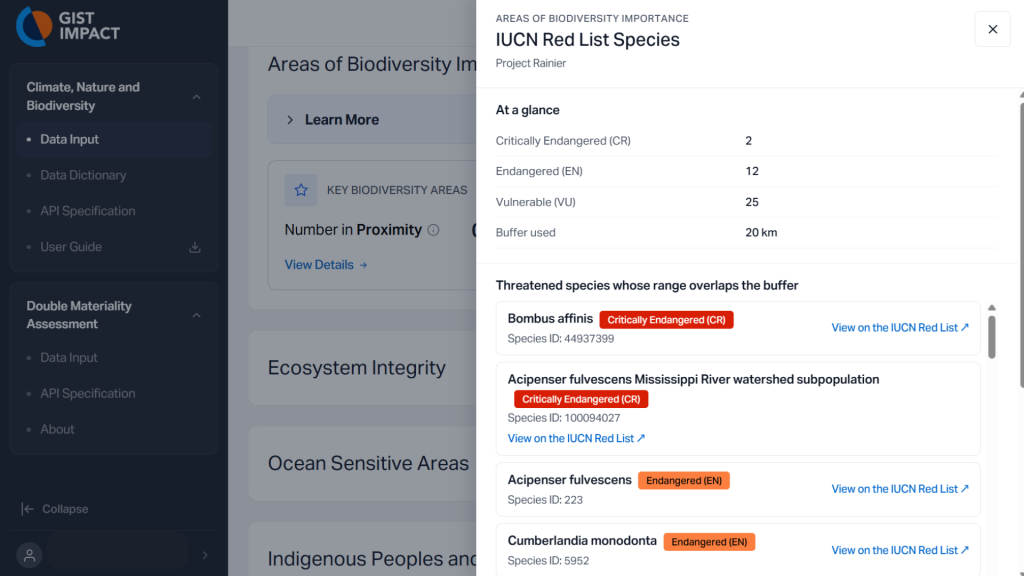
The nature data adds a second layer. There are 31 protected areas within 20 km of the site, mostly fens and wetlands. That makes it more exposed than 92% of the roughly 3 million assets in our dataset. Project Rainier’s buffer zone, the surrounding area where its operations can exert environmental impact, overlaps with the habitats of 39 threatened species, including the critically endangered rusty patched bumble bee.
As AI infrastructure expands, water stress and nearby sensitive habitats can turn into tighter permits, public blowback and higher operating costs. For a company whose growth is synonymous with more compute, that has an environmental risk that’s financially material. More importantly though, and as we’ve shown, it’s something you won’t find in a company filing – you need asset-level location data to see it.
What the Anthropic IPO means for your portfolio
AI’s sustainability profile is driven by infrastructure, and most of it is indirect – the reason why standard financial analysis tends to miss it.
First filings rarely say much on these topics. The questions covered above are a good place to start your engagement efforts. The biggest financial risk is likely to be scarcer, pricier power, along with growing pushback on new sites.
The Anthropic IPO is a timely reason to ask these questions, but the same lens works well beyond this one listing. It applies just as much to the hyperscalers, chipmakers and utilities already sitting in most portfolios.
___
Want to see how your AI holdings measure up? Get in touch with our team.